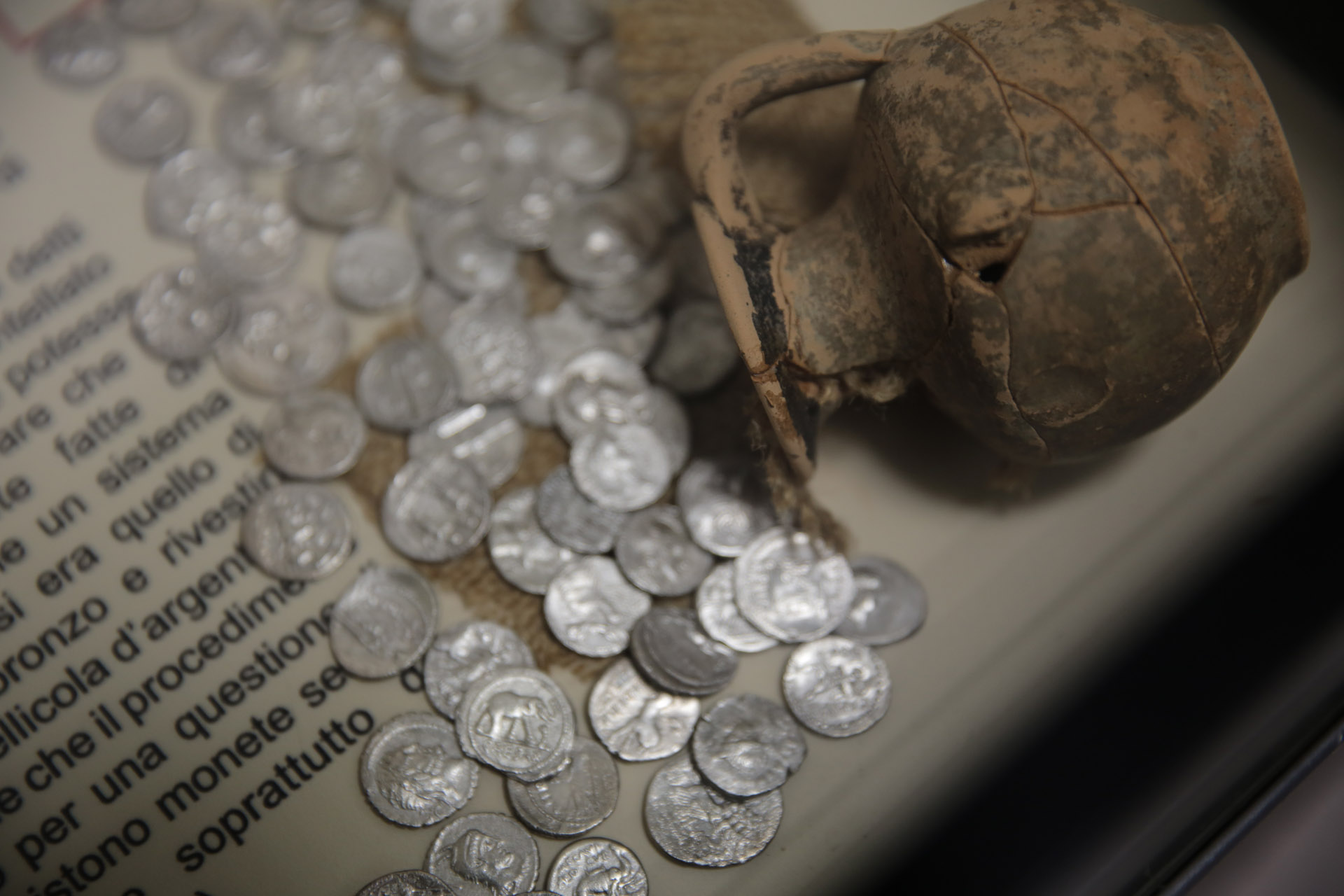
During the 3rd century BC, the Greek cities of southern Italy increasingly found themselves exposed to raids and military pressure from Italic peoples, particularly the Brettii and the Lucanians. In this unstable context, Rome seized the opportunity to insert itself into the political balance of Magna Graecia, initially presenting itself as a protective power. It was precisely Thurii’s request for assistance in 282 BC that represented one of the key moments in this process, which ultimately led to the gradual Roman conquest of southern Italy.
After coming under Roman control, Thurii was transformed into a Latin colony and renamed Copiae, a name with strong symbolic value, linked to the idea of abundance and prosperity. This transformation was not merely political, but also deeply affected
... read more >During the 3rd century BC, the Greek cities of southern Italy increasingly found themselves exposed to raids and military pressure from Italic peoples, particularly the Brettii and the Lucanians. In this unstable context, Rome seized the opportunity to insert itself into the political balance of Magna Graecia, initially presenting itself as a protective power. It was precisely Thurii’s request for assistance in 282 BC that represented one of the key moments in this process, which ultimately led to the gradual Roman conquest of southern Italy.
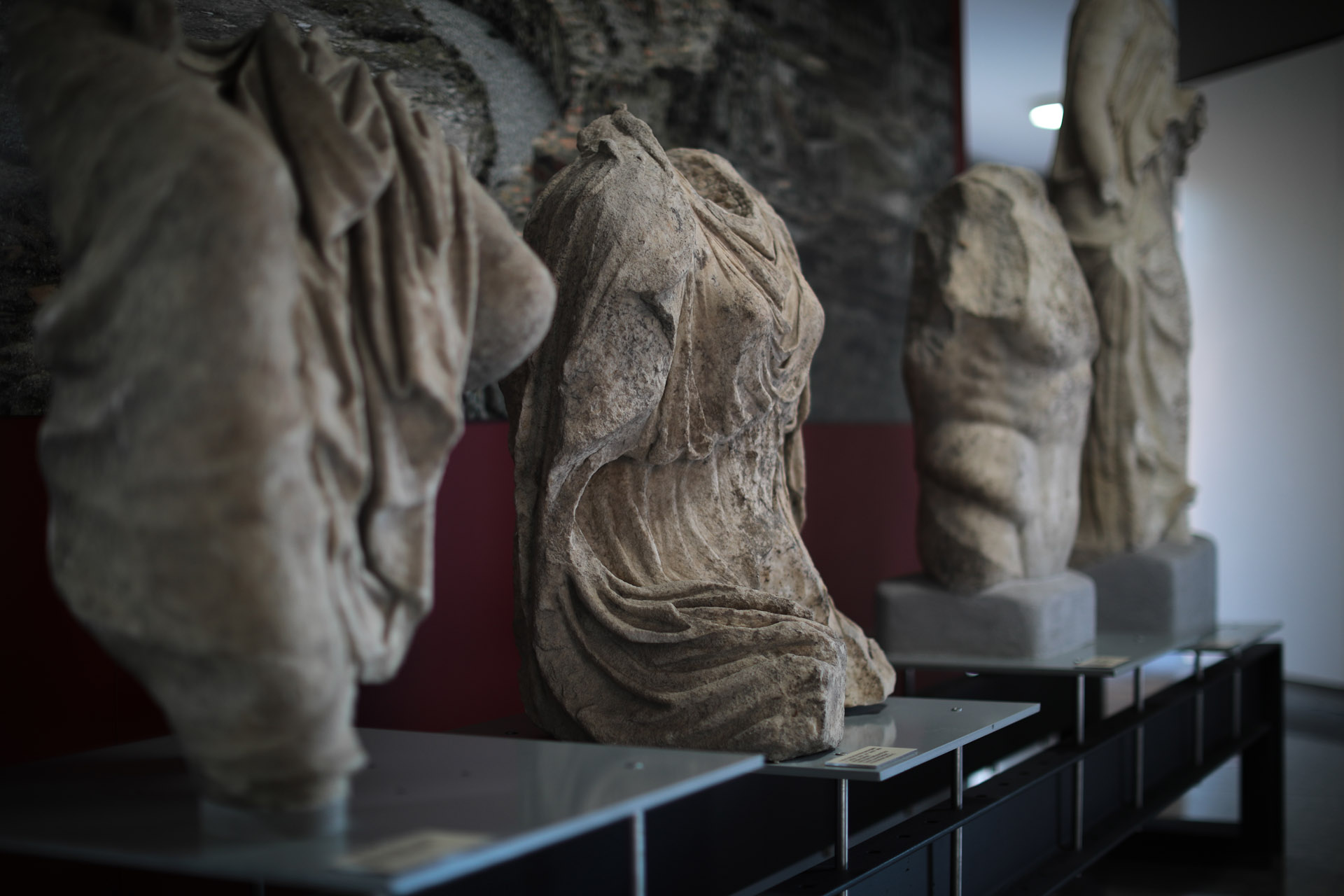
After coming under Roman control, Thurii was transformed into a Latin colony and renamed Copiae, a name with strong symbolic value, linked to the idea of abundance and prosperity. This transformation was not merely political, but also deeply affected the city’s social, urban, and cultural fabric. The ancient Greek colony gradually lost its original Hellenic identity, welcoming new inhabitants of Italic and Latin origin and adapting to the cultural and architectural models of the Roman world.
New public buildings were constructed according to the forms and standards used in Rome and in the provinces. The same applied to architectural decoration, mosaics, frescoes, and votive objects, which now reflect full adherence to Roman taste. Everyday life itself was reshaped according to the customs and practices of the new dominant culture, marking a decisive turning point in the history of the city and of the entire region.
read less <