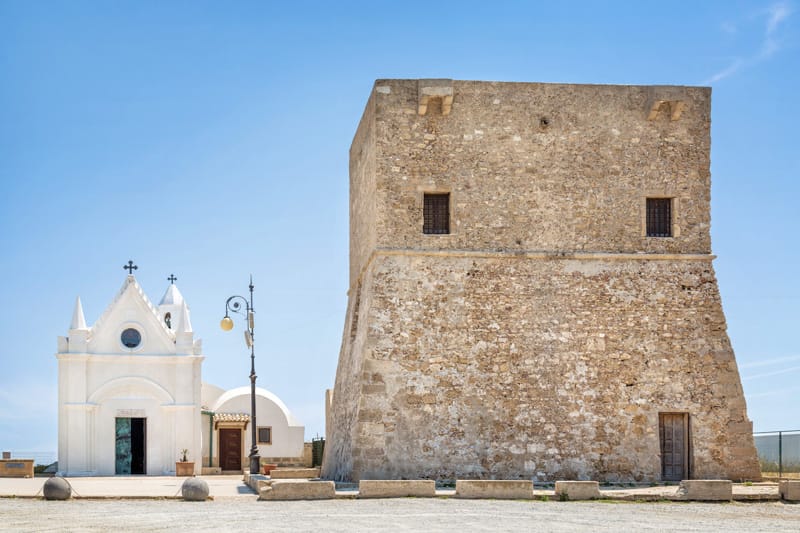
Capo Colonna is a place suspended between land and sea, just a few kilometers from Crotone, where ancient history meets the Mediterranean landscape at one of its most evocative points. Here stood the sanctuary of Hera Lacinia, the religious heart of Greek Kroton and a symbol of its spiritual identity since the Archaic period. The promontory, overlooking the Ionian Sea and clearly visible to sailors, was chosen not only for its strategic position but also for its symbolic value: a natural boundary that became sacred space.
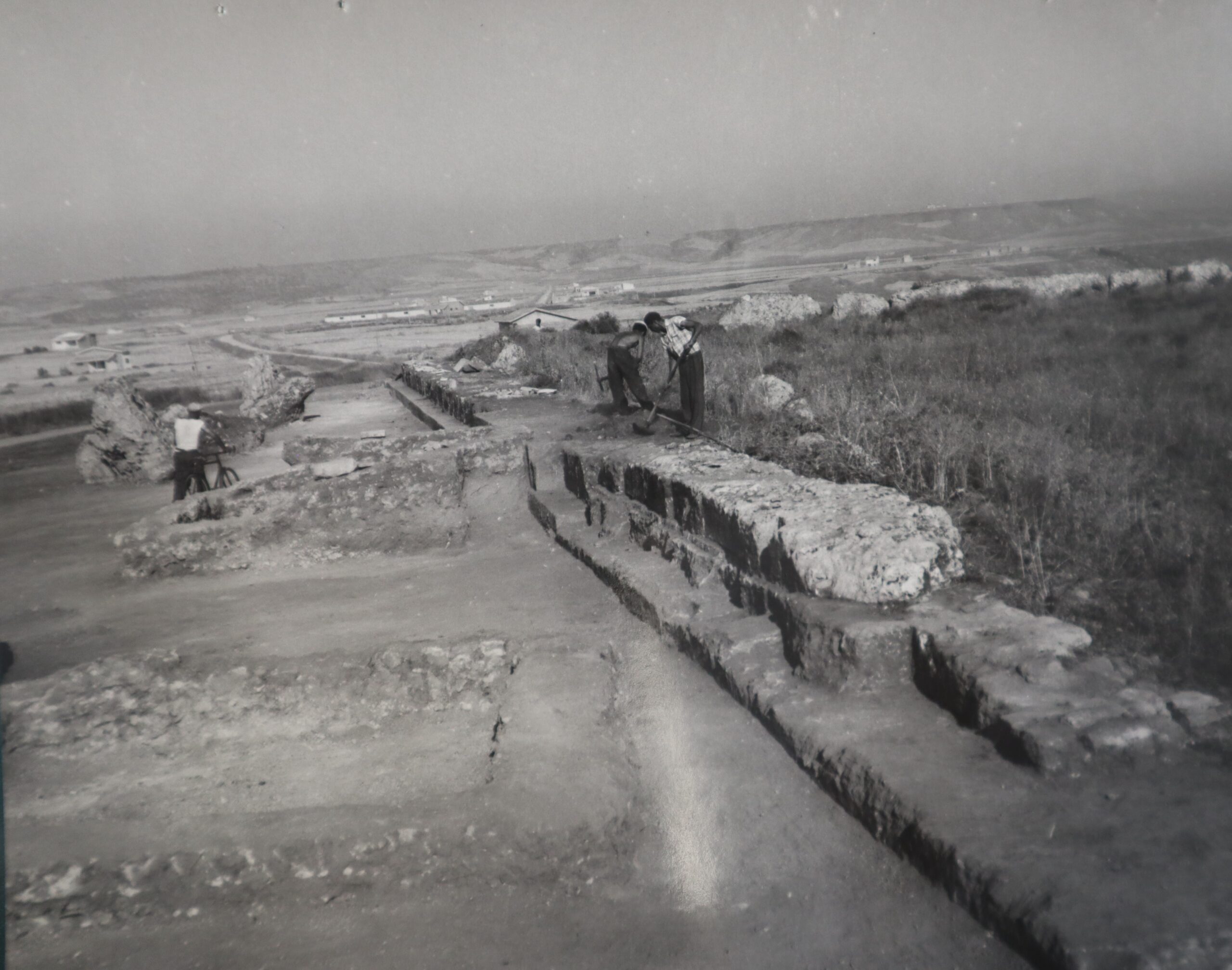
Votive objects, architectural elements, and ceramics collected in antiquarian collections and recovered during the earliest excavation campaigns tell a story of faith, memory, and research, restoring historical depth to a site that for centuries served as a religious point
... read more >Capo Colonna is a place suspended between land and sea, just a few kilometers from Crotone, where ancient history meets the Mediterranean landscape at one of its most evocative points. Here stood the sanctuary of Hera Lacinia, the religious heart of Greek Kroton and a symbol of its spiritual identity since the Archaic period. The promontory, overlooking the Ionian Sea and clearly visible to sailors, was chosen not only for its strategic position but also for its symbolic value: a natural boundary that became sacred space.
Votive objects, architectural elements, and ceramics collected in antiquarian collections and recovered during the earliest excavation campaigns tell a story of faith, memory, and research, restoring historical depth to a site that for centuries served as a religious point of reference not only for Kroton, but for the Ionian coast of Calabria and for all of Magna Graecia.
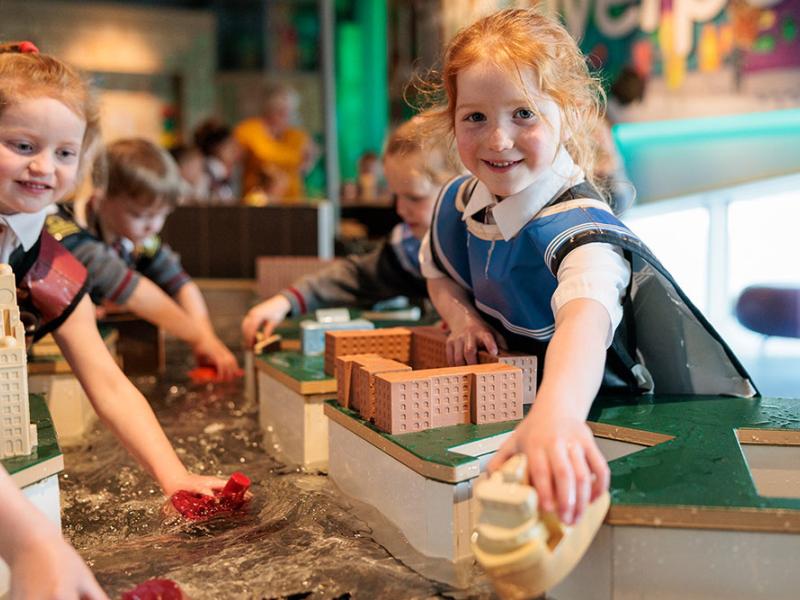
At the center of this narrative is the cult of Hera, a powerful figure of the Greek pantheon, protectress of women, fertility, and civic institutions. The bond between the goddess and the city emerges through the material evidence and the topographical reconstruction of the sanctuary, which reveals its layout and its harmonious integration into the landscape. A reconstructed scale model helps visitors imagine the ancient splendor of the temple, of which only a single, solemn column survives today—a visible trace of a presence that time has not erased.
read less <