The sanctuary of Hera Lacinia at Capo Colonna represents an outstanding example of ancient architecture, thanks to the use of high-quality materials and the involvement of specialized craftsmen from Greece. The reconstruction of the promontory’s “sacred landscape” is based not only on the precious sculptural and decorative elements discovered at the site, but also on detailed studies that have made it possible to trace the architectural evolution of the buildings over time.
According to the data currently available, the earliest sacred structure in the area—the so-called Building B—was constructed at the beginning of the 6th century BC. Shortly thereafter, in the second half of the century, a large temple dedicated to Hera was erected alongside it, now visible only through a few archaeological
... read more >The sanctuary of Hera Lacinia at Capo Colonna represents an outstanding example of ancient architecture, thanks to the use of high-quality materials and the involvement of specialized craftsmen from Greece. The reconstruction of the promontory’s “sacred landscape” is based not only on the precious sculptural and decorative elements discovered at the site, but also on detailed studies that have made it possible to trace the architectural evolution of the buildings over time.
According to the data currently available, the earliest sacred structure in the area—the so-called Building B—was constructed at the beginning of the 6th century BC. Shortly thereafter, in the second half of the century, a large temple dedicated to Hera was erected alongside it, now visible only through a few archaeological traces. Around the beginning of the 5th century BC, this temple was replaced by a more imposing structure: Temple A, a monumental Doric building overlooking the sea, of which the iconic solitary column survives today.
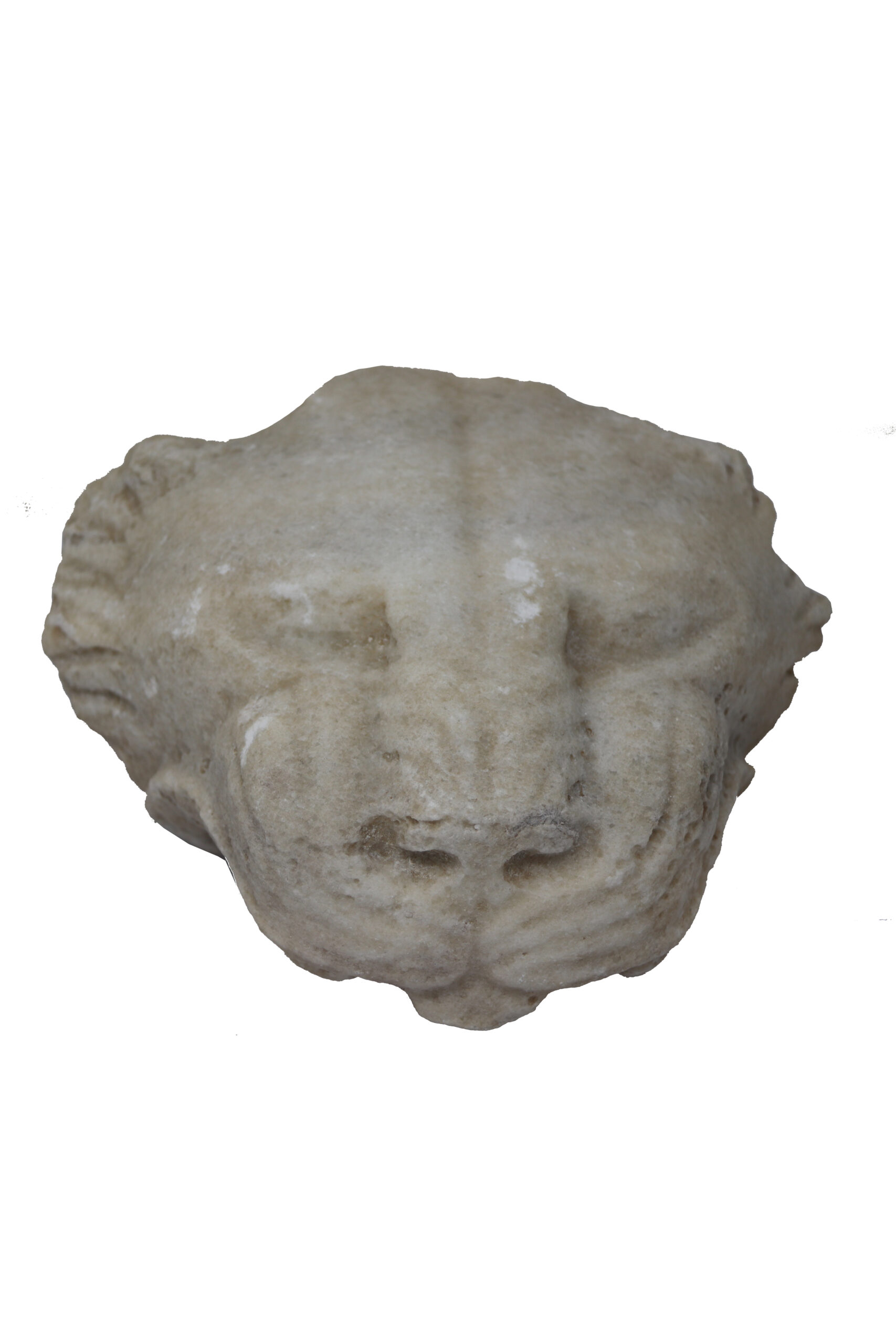
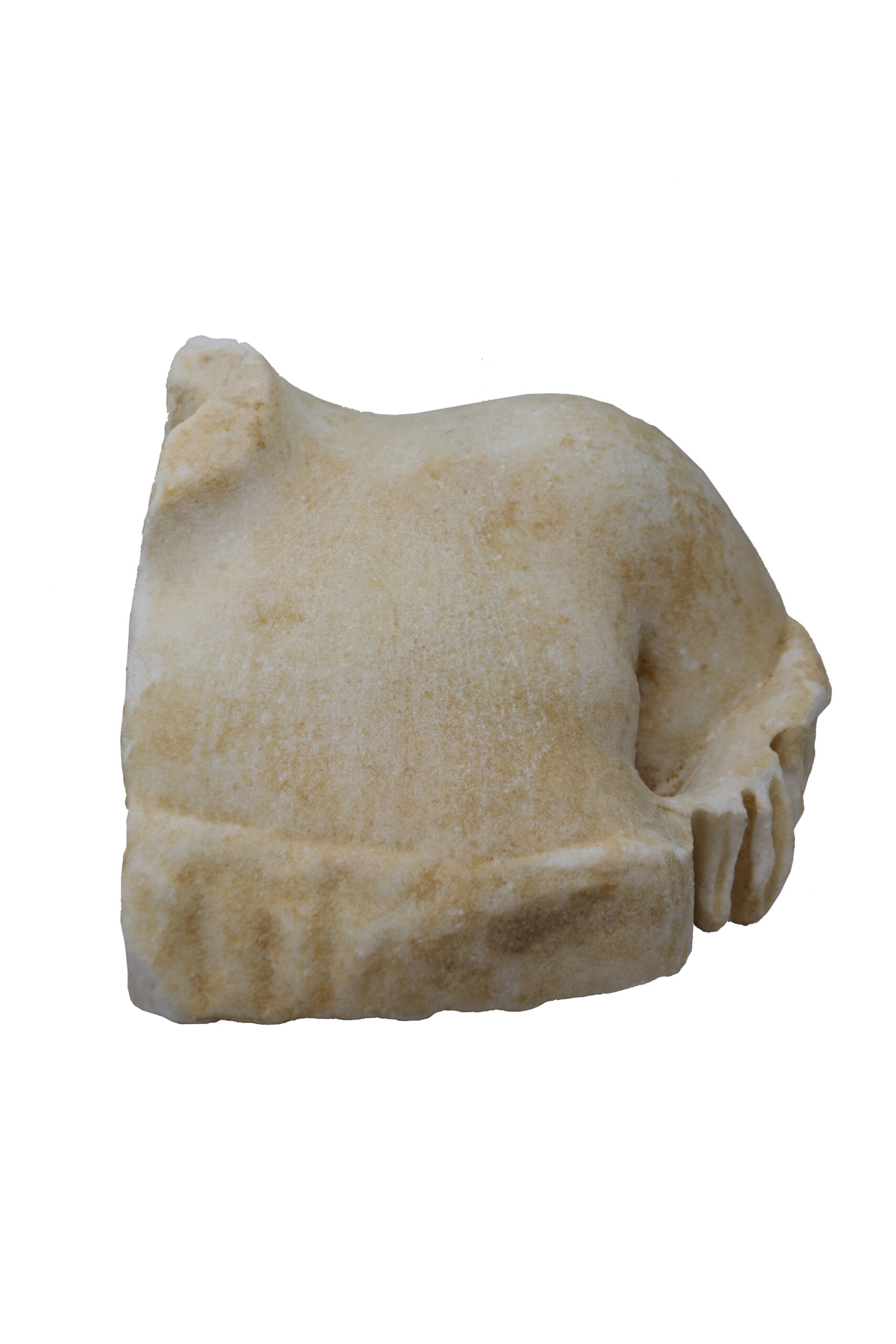
Many of the marble decorative elements that once adorned the temple are now housed in the museum. These include lion-head waterspouts, vegetal ornaments such as palmettes and branches, and sculptural fragments depicting male and female figures as well as animals. The richness and refinement of these remains, comparable to those of the great sanctuaries of Greece, testify to the exceptional importance of the sanctuary of the Lacinian promontory within Magna Graecia.
read less <