Hera Lacinia is the tutelary deity of the sanctuary of Capo Colonna, established on a promontory overlooking the sea to celebrate the profound devotion of the Greeks to the wife of Zeus, father of all the gods. Here Hera was worshipped for her many functions: as protectress of women, children, and fertility, of sailors and navigation; at the same time, she was revered as a goddess of war and as a guarantor of freedom, as recalled by the epithet Eleutherìa (“Liberator”), which appears in some inscriptions.
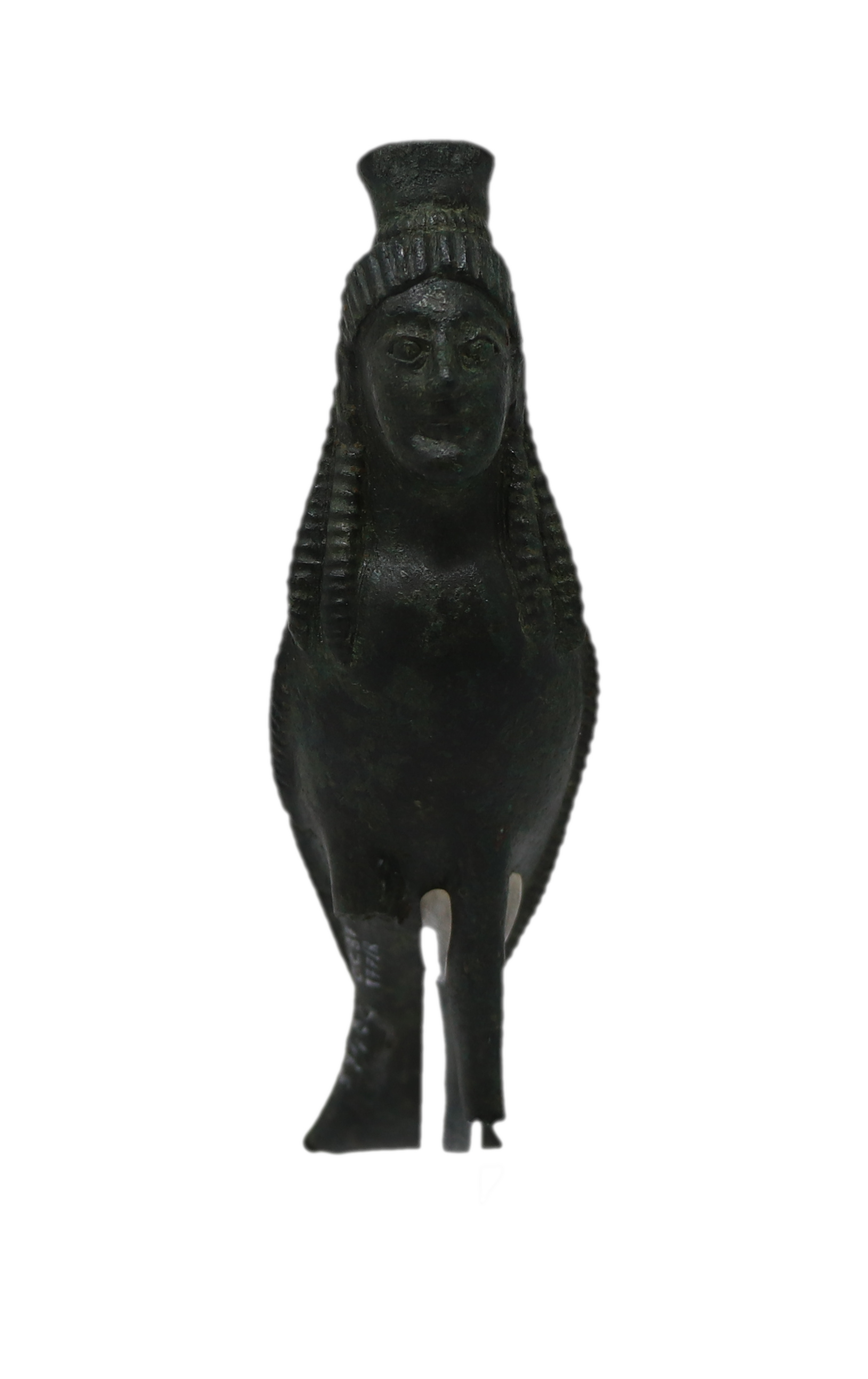
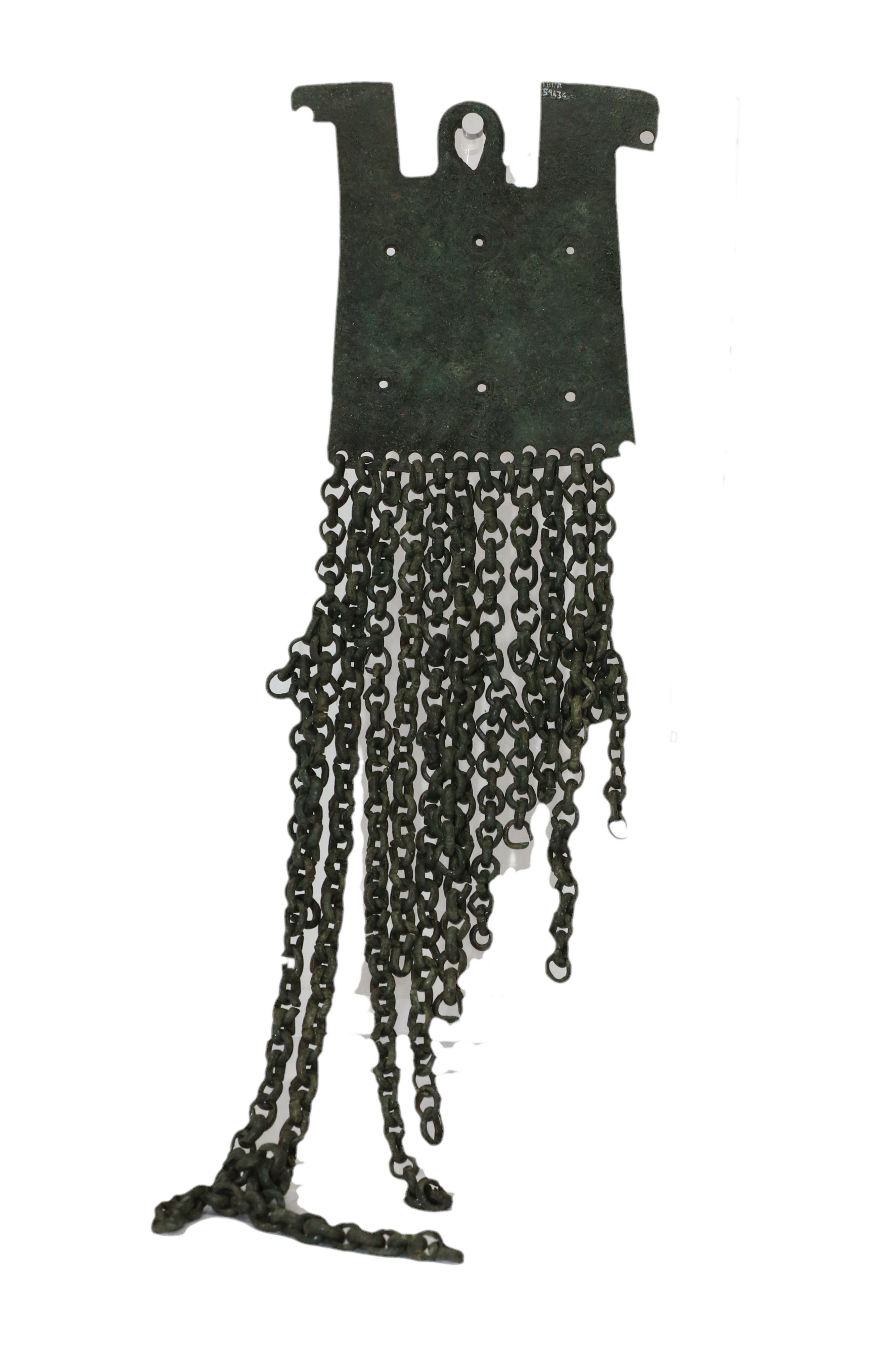
The precious artefacts from Capo Colonna—such as bronze ornaments, Egyptian scarabs, gold and silver jewelry, and other terracotta votive offerings—provide direct evidence of the extraordinary wealth of the sanctuary and allow us to rediscover the religious, social, and political
... read more >Hera Lacinia is the tutelary deity of the sanctuary of Capo Colonna, established on a promontory overlooking the sea to celebrate the profound devotion of the Greeks to the wife of Zeus, father of all the gods. Here Hera was worshipped for her many functions: as protectress of women, children, and fertility, of sailors and navigation; at the same time, she was revered as a goddess of war and as a guarantor of freedom, as recalled by the epithet Eleutherìa (“Liberator”), which appears in some inscriptions.
The precious artefacts from Capo Colonna—such as bronze ornaments, Egyptian scarabs, gold and silver jewelry, and other terracotta votive offerings—provide direct evidence of the extraordinary wealth of the sanctuary and allow us to rediscover the religious, social, and political dimensions of this sacred place, a crossroads of beliefs, cultures, and trade. The famous “Treasure of Hera,” uncovered during excavations of Building B, bears witness to the sanctuary’s importance and to the breadth of contacts linking the Greek world with the Italian peninsula and the Mediterranean from the earliest phases of its use in the 8th century BC through to periods of greatest splendor and prosperity.
read less <