Among the many residences (domus) that once populated the Roman city of Copiae, the best-preserved example is located immediately behind the semicircular theatre. In antiquity, access was from one of the main north–south streets (plateia A), confirming the prestigious position of the building within the urban fabric.
Built between 100 and 50 BC, the house displays the typical layout of a Roman domus with an atrium and a peristyle. Immediately after the entrance, a first rectangular courtyard (the atrium), partially roofed, opens up, around which several rooms for daily life were arranged. This space is followed by a second courtyard, square in plan and larger in size—the peristyle—surrounded by columns on all four sides.
Arranged around the peristyle were the rooms intended for reception
... read more >Among the many residences (domus) that once populated the Roman city of Copiae, the best-preserved example is located immediately behind the semicircular theatre. In antiquity, access was from one of the main north–south streets (plateia A), confirming the prestigious position of the building within the urban fabric.
Built between 100 and 50 BC, the house displays the typical layout of a Roman domus with an atrium and a peristyle. Immediately after the entrance, a first rectangular courtyard (the atrium), partially roofed, opens up, around which several rooms for daily life were arranged. This space is followed by a second courtyard, square in plan and larger in size—the peristyle—surrounded by columns on all four sides.
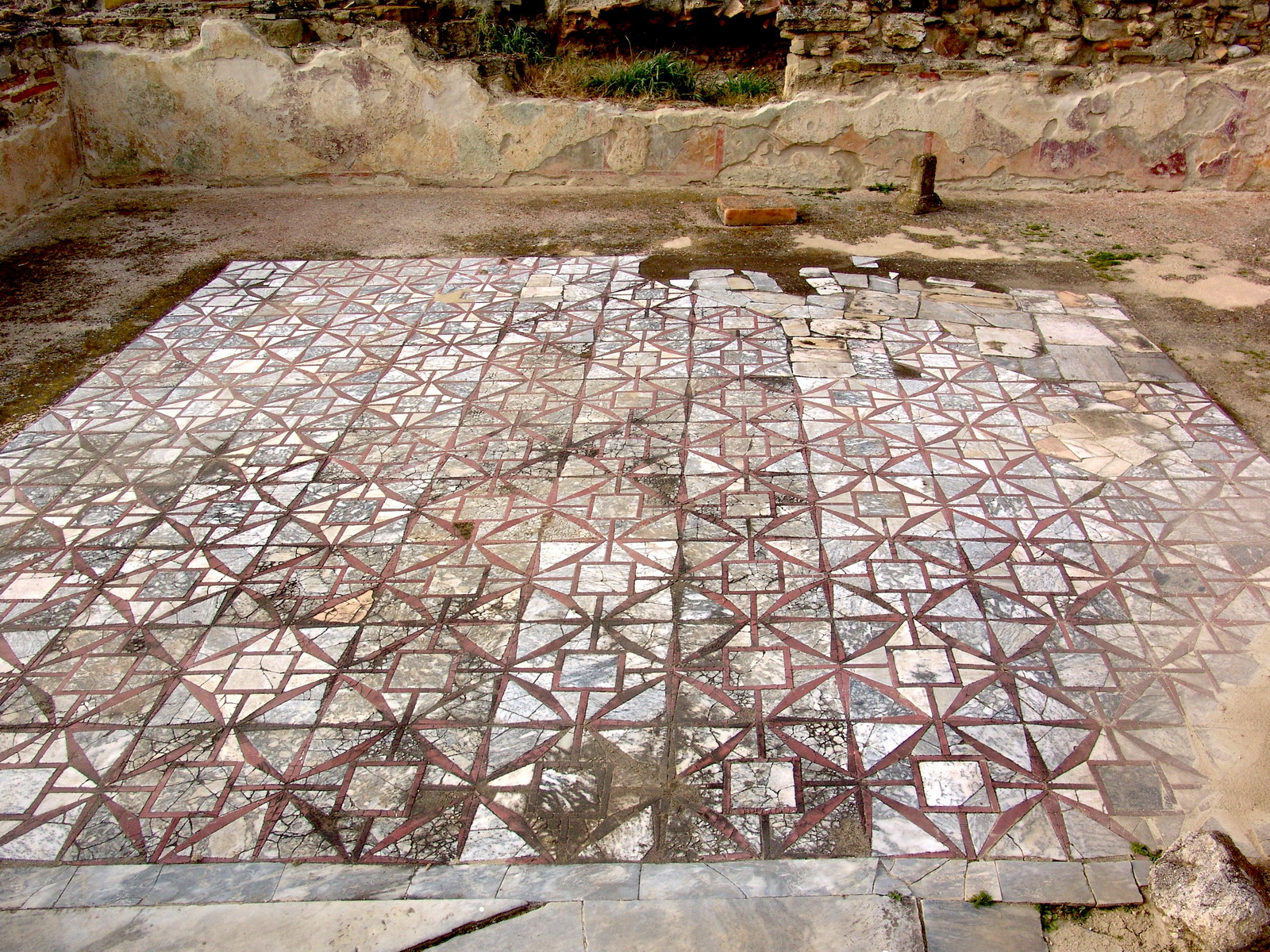
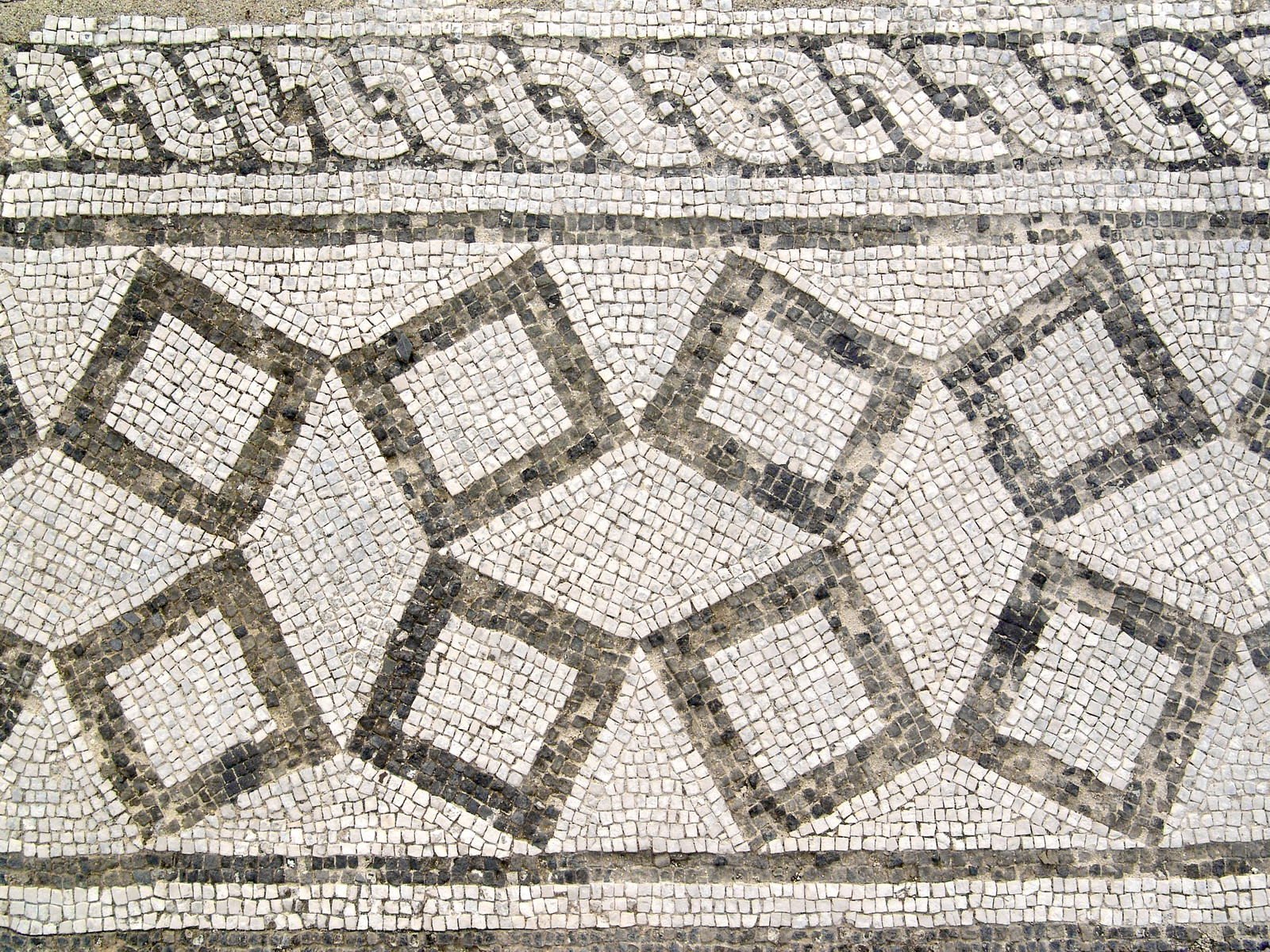
Arranged around the peristyle were the rooms intended for reception and representation, designed to host distinguished guests. Here the decoration reached its highest level, with wall paintings, mosaics, and floors made of colored marbles. The richness of the wall and floor decorations, together with the refined architectural design, reflects the high social status of the owner, probably a prominent figure in 1st-century BC Copiae.
read less <