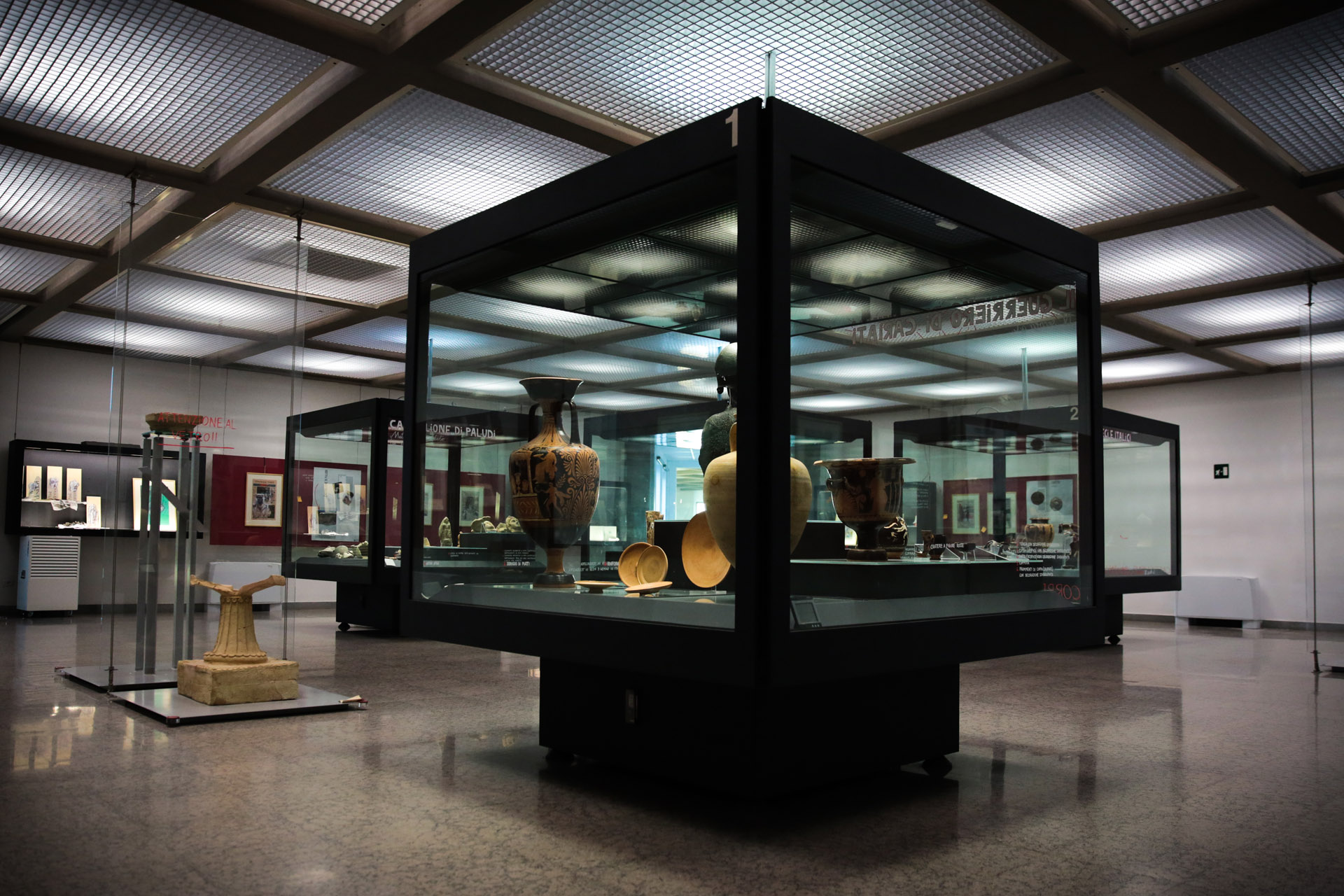
The foundation of Thurii in 444 BC marked a new phase in the history of the Sibaritide, not only from a political perspective but also from a cultural one. Thurii stood out for its close ties with the Greek homeland and for its strong cultural vocation, becoming an active center for the transmission of Greek culture throughout the surrounding territory. This renewed Hellenic impetus also reached the villages of the indigenous populations inhabiting the hilly and mountainous areas of the hinterland.
This is attested by a number of finely crafted vessels from the territories of Trebisacce and Santa Sofia d’Epiro, on which Greek craftsmanship and mythological themes appear. In the 4th century BC, this scenario was further enriched by the arrival and rise of the Brettii, an Italic people known
... read more >The foundation of Thurii in 444 BC marked a new phase in the history of the Sibaritide, not only from a political perspective but also from a cultural one. Thurii stood out for its close ties with the Greek homeland and for its strong cultural vocation, becoming an active center for the transmission of Greek culture throughout the surrounding territory. This renewed Hellenic impetus also reached the villages of the indigenous populations inhabiting the hilly and mountainous areas of the hinterland.
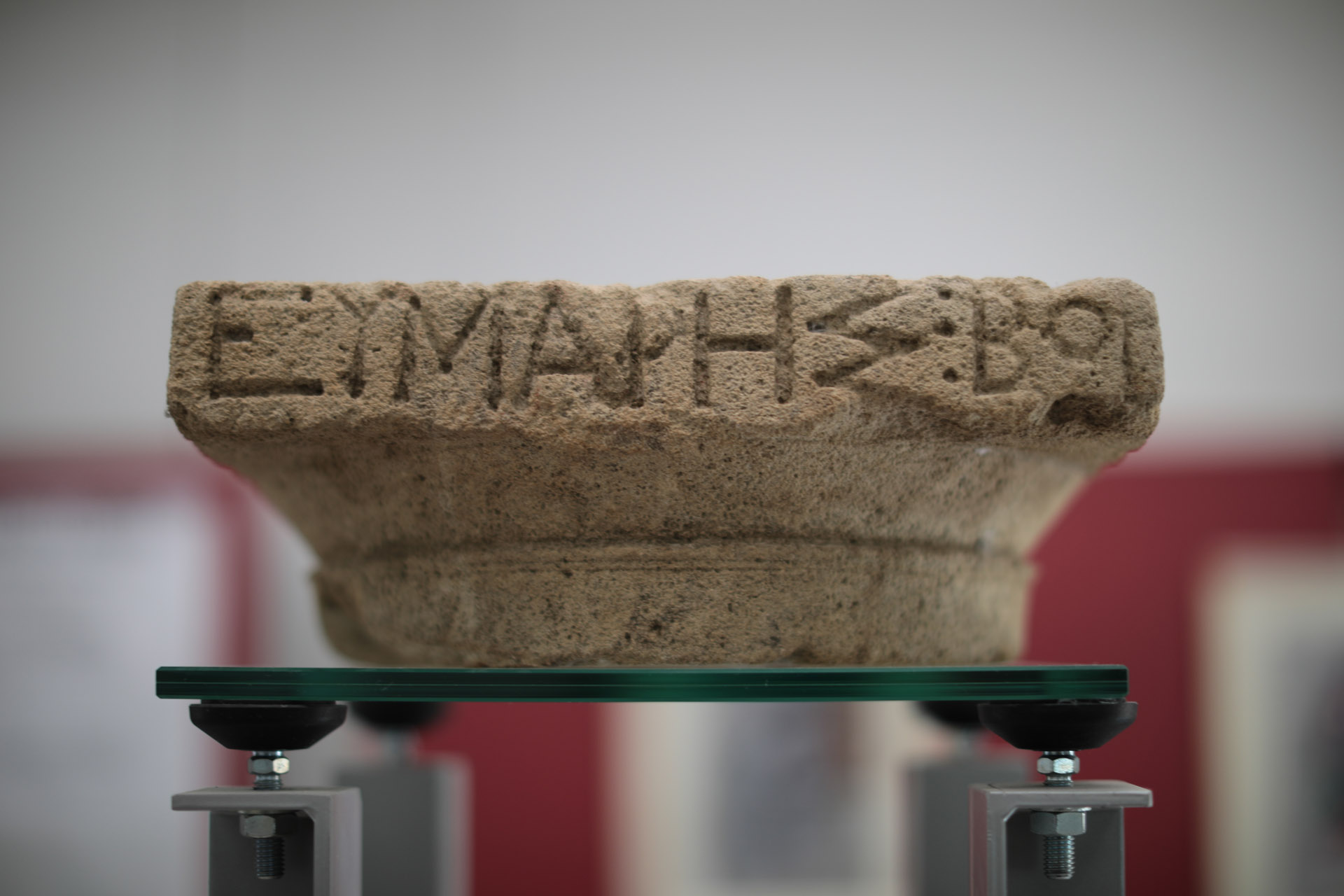
This is attested by a number of finely crafted vessels from the territories of Trebisacce and Santa Sofia d’Epiro, on which Greek craftsmanship and mythological themes appear. In the 4th century BC, this scenario was further enriched by the arrival and rise of the Brettii, an Italic people known for their military and pastoral organization. Settling on the uplands bordering the Greek colonies, the Brettii established a complex relationship with the Hellenic world. While preserving features typical of Italic cultures—such as the Oscan language and a tribal social structure—they displayed a strong openness toward Greek culture, adopting several of its aspects, especially in the artistic sphere.
This cultural interaction is well documented at significant archaeological sites such as Castiglione di Paludi, where finds reflecting clear Hellenic influence have been uncovered. Further confirmation comes from funerary assemblages discovered not only near Thurii, but also in more distant areas such as Cariati. These graves contain decorated objects, pottery, and ornaments of Greek derivation, reinterpreted according to local taste and tradition.
read less <