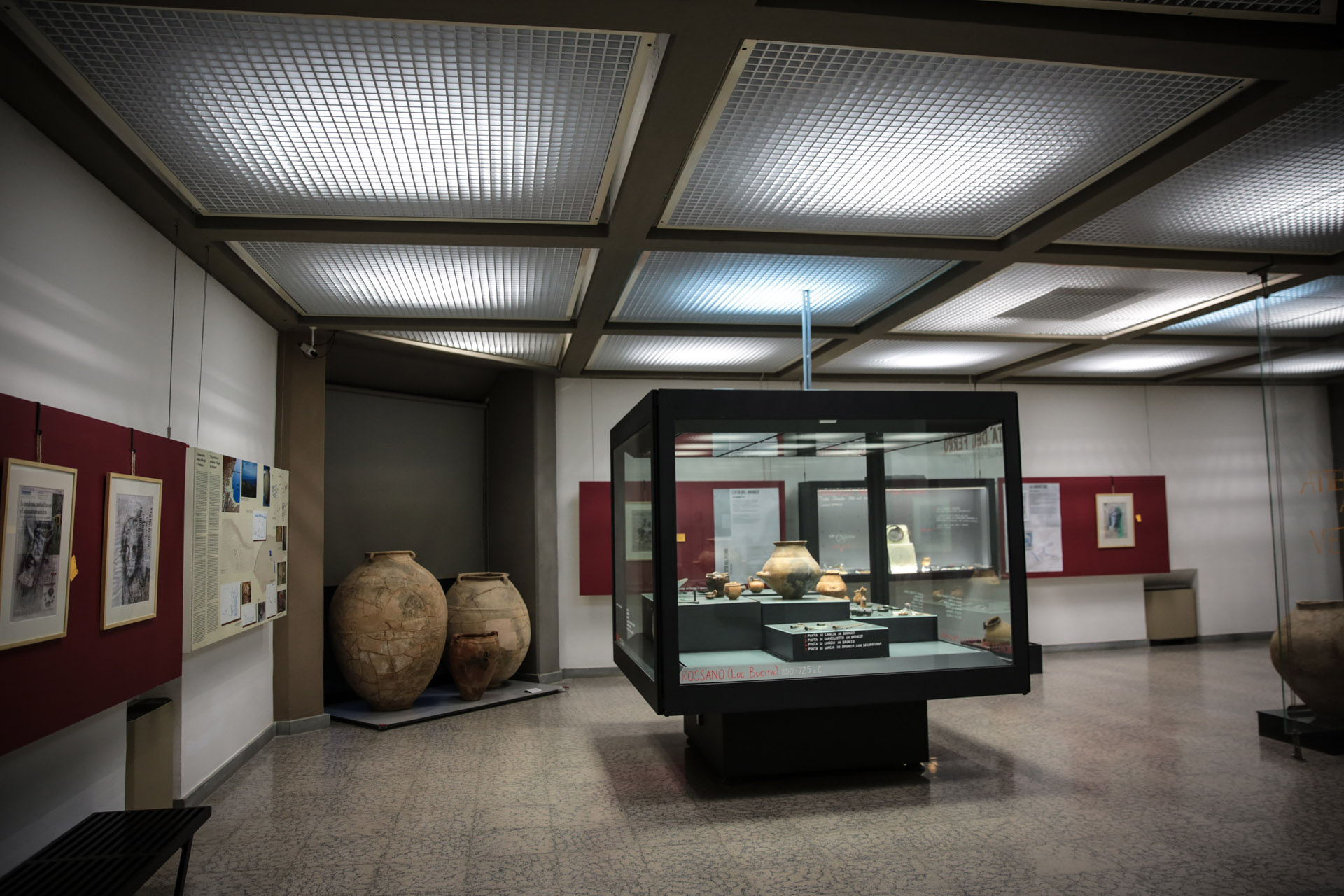
The Sibaritide is an area of northern Calabria characterized by a broad alluvial plain, crossed by the Crati and Coscile rivers. At the edges of this fertile expanse rise hilly and mountainous reliefs, which naturally delimit the territory.
During the 2nd millennium BC, the uplands of the Sibaritide, like those of the rest of Calabria, were inhabited by indigenous communities organized in small villages. These settlements, far from being isolated, formed a dynamic and well-structured reality, with which the Greeks came into contact when, at the end of the 8th century BC, they landed on the Ionian coasts of Calabria.
Archaeological evidence reveals a complex and vibrant panorama: settlements, places of worship, and necropolises attest to a society firmly rooted in the territory. They demonstrate
... read more >The Sibaritide is an area of northern Calabria characterized by a broad alluvial plain, crossed by the Crati and Coscile rivers. At the edges of this fertile expanse rise hilly and mountainous reliefs, which naturally delimit the territory.
During the 2nd millennium BC, the uplands of the Sibaritide, like those of the rest of Calabria, were inhabited by indigenous communities organized in small villages. These settlements, far from being isolated, formed a dynamic and well-structured reality, with which the Greeks came into contact when, at the end of the 8th century BC, they landed on the Ionian coasts of Calabria.
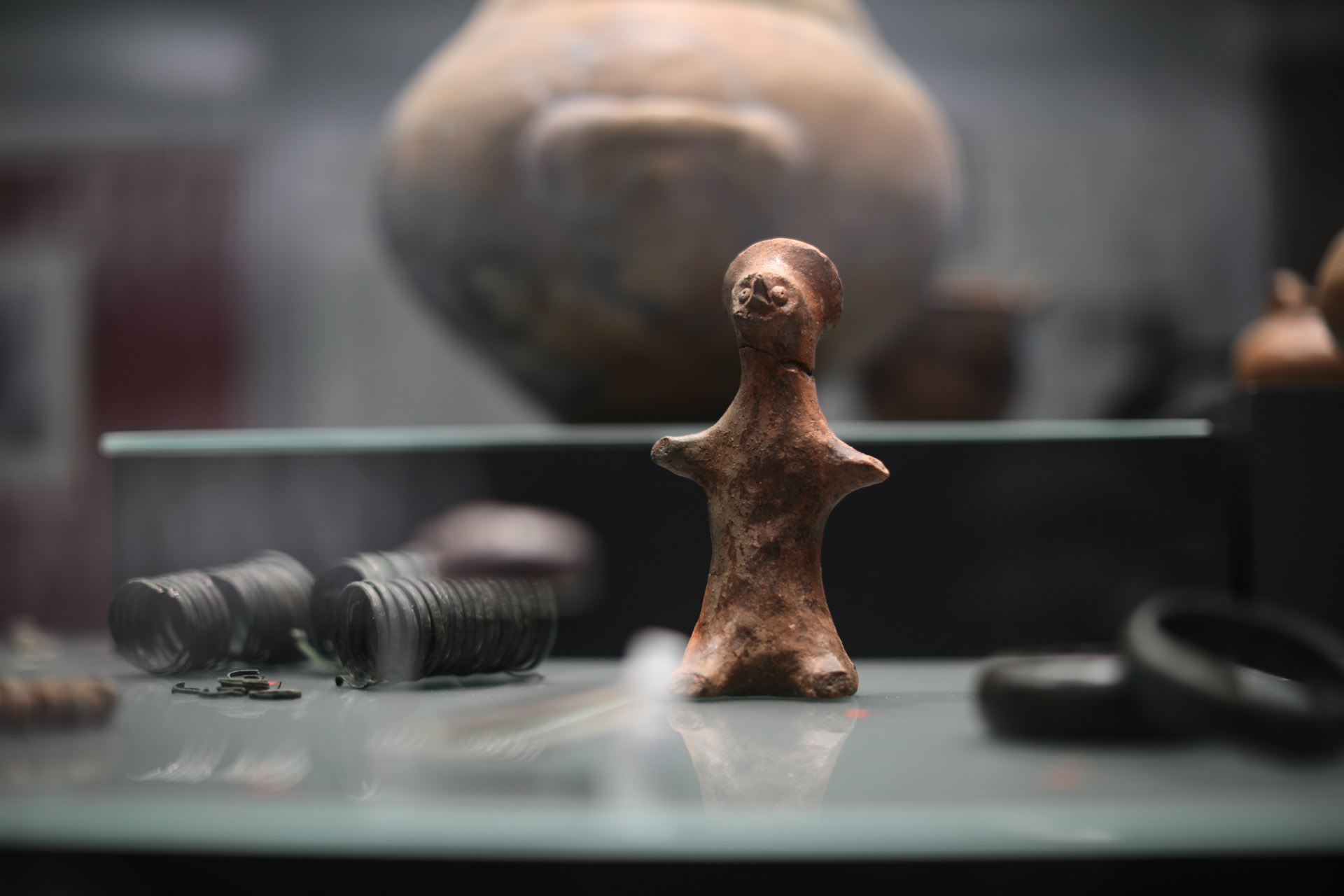
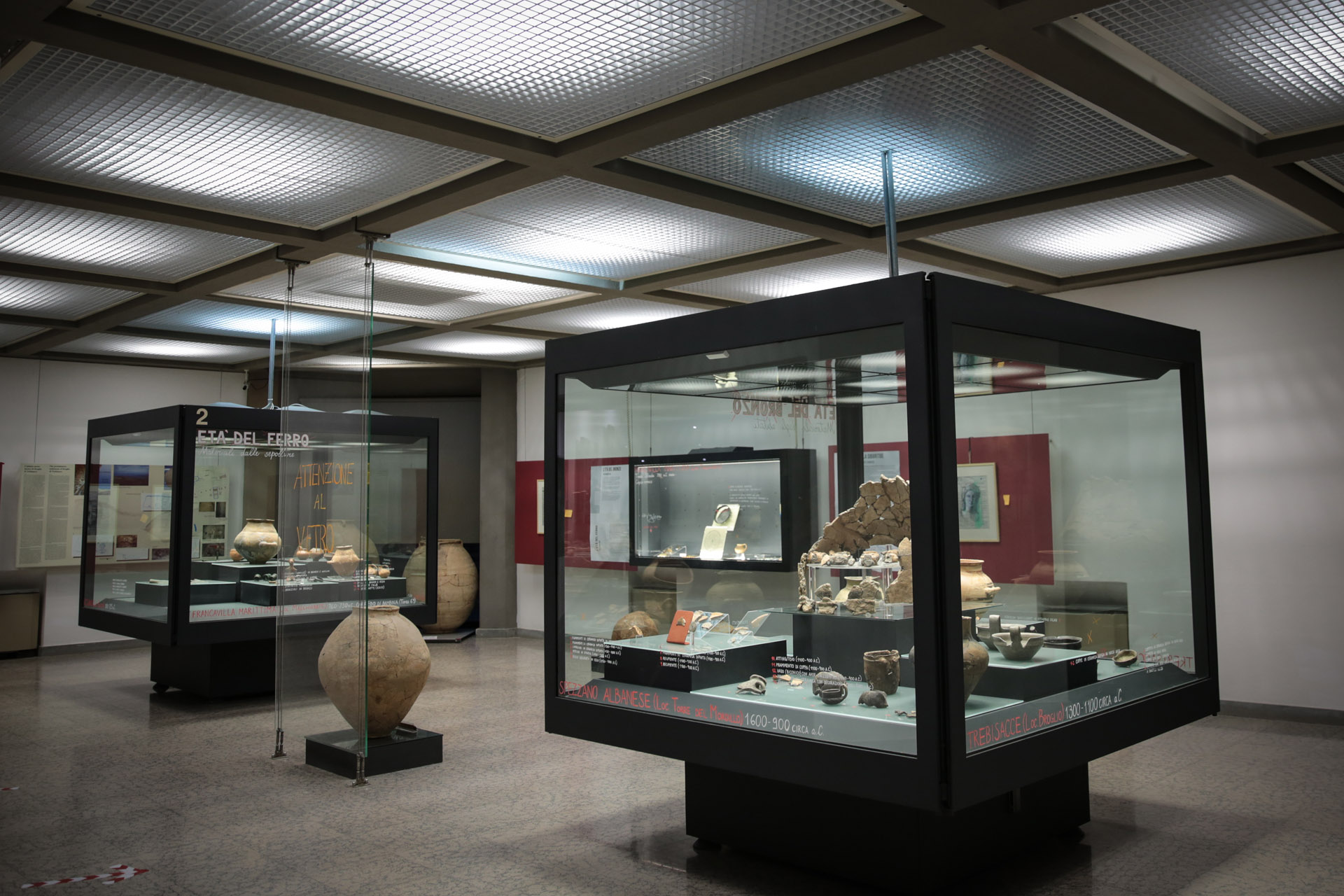
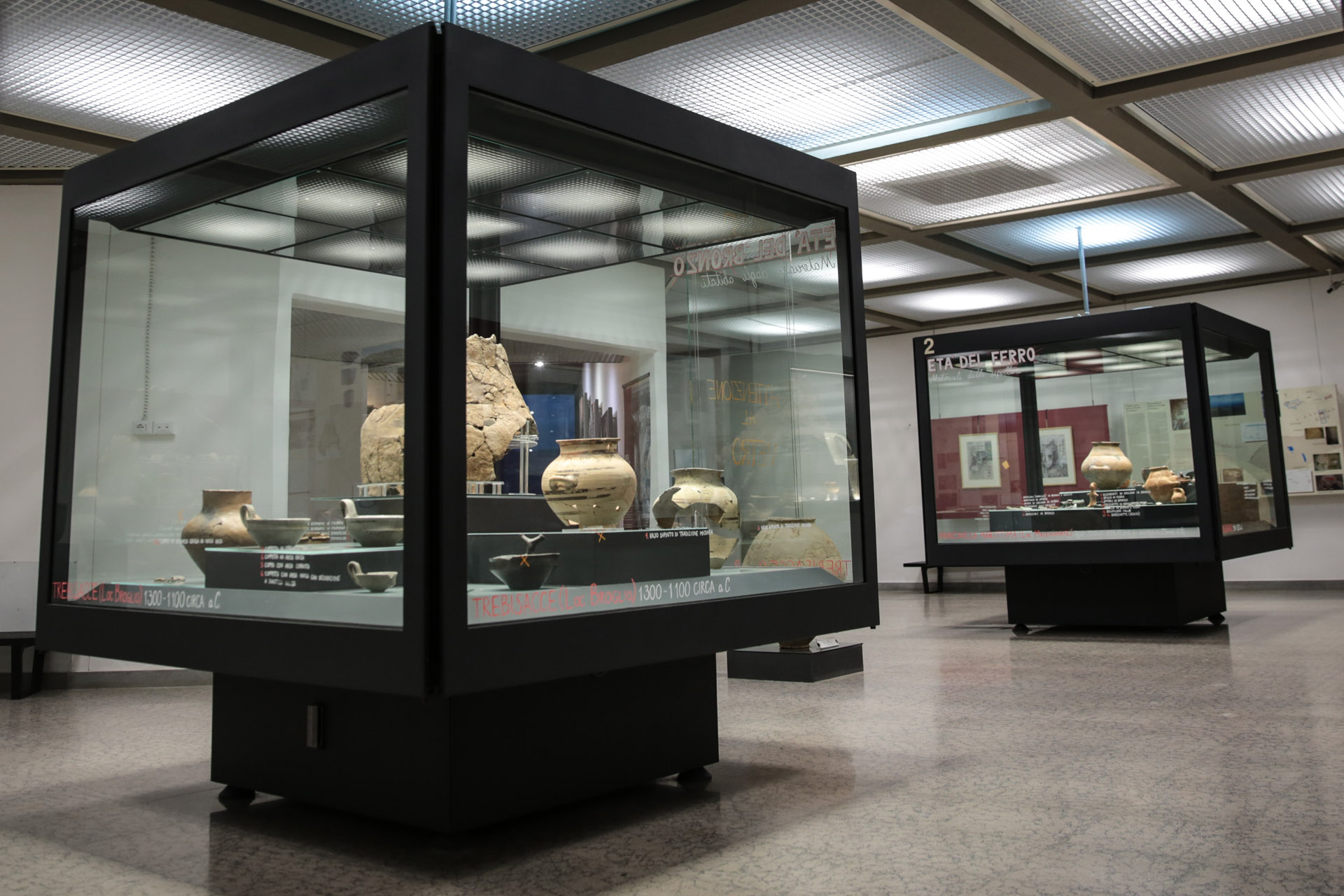
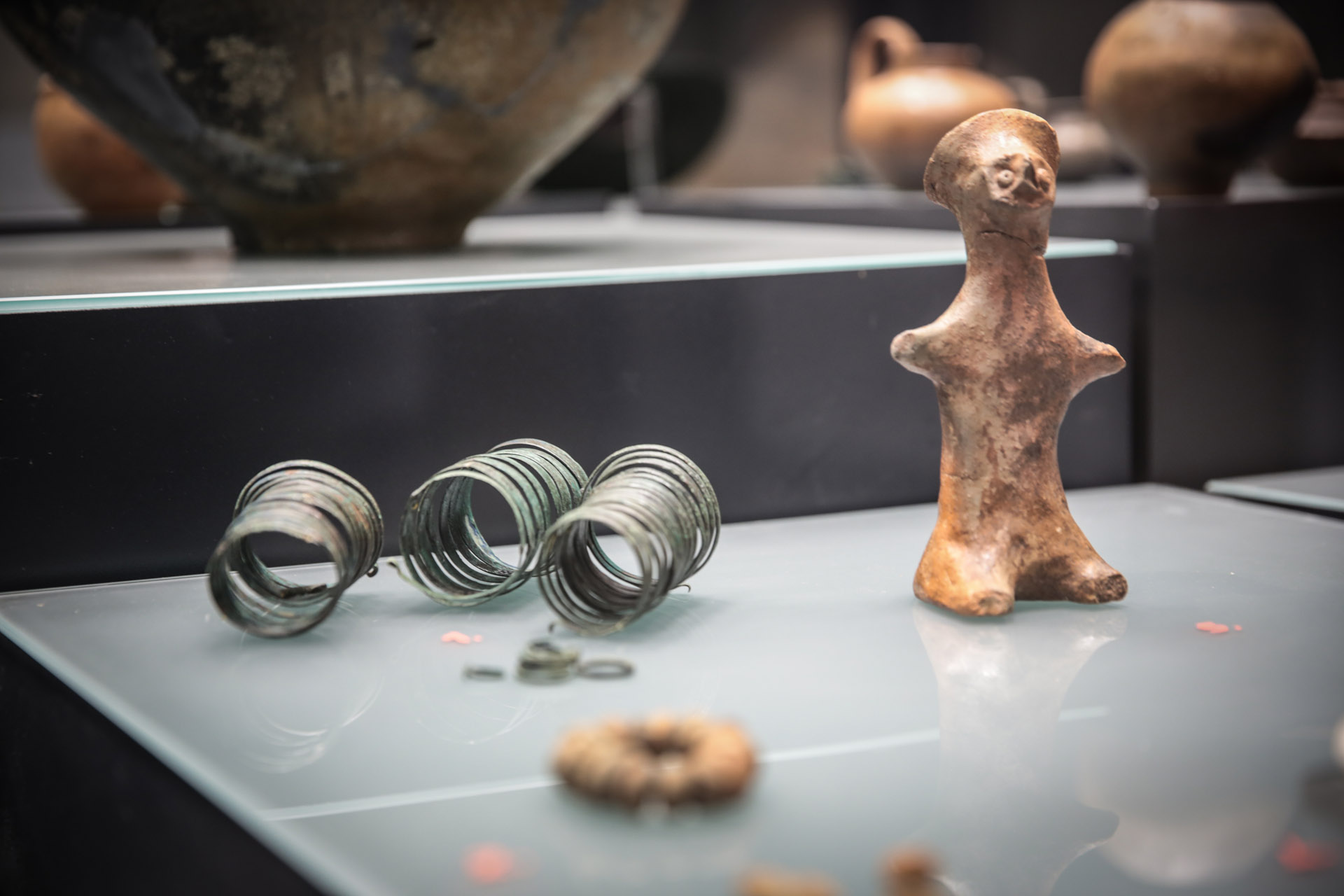
Archaeological evidence reveals a complex and vibrant panorama: settlements, places of worship, and necropolises attest to a society firmly rooted in the territory. They demonstrate that the Plain of Sybaris was already densely inhabited and culturally active well before the foundation of the Greek colony of Sybaris, around 720–710 BC. Among the most significant and best-known archaeological sites are Broglio di Trebisacce, Francavilla Marittima, and Torre Mordillo.
The finds recovered from these centers reveal communities capable of engaging in commercial relations with the wider Mediterranean and the Near East, and of developing complex forms of social organization, marked by the presence of aristocratic elites and codified religious practices. In short, these were societies far from primitive, already participating in extensive cultural and exchange networks.
read less <