From the 3rd century BC onward, Ionian Calabria gradually entered the sphere of Roman influence. The conquest was not immediate, but over the course of the 2nd century BC the territory became fully integrated into the Roman administrative system. The foundation of colonies and municipia, the construction of roads and public infrastructure, and the settlement of veterans radically transformed the urban and rural landscape of the region. The sanctuaries of Magna Graecia, once the focal points of Greek religious life, were also refunctionalized or complemented by new structures in accordance with the Roman model.
Within this context, the promontory of Capo Colonna—ancient seat of the renowned sanctuary of Hera Lacinia—also underwent profound transformation. Alongside the Greek temple, between
... read more >From the 3rd century BC onward, Ionian Calabria gradually entered the sphere of Roman influence. The conquest was not immediate, but over the course of the 2nd century BC the territory became fully integrated into the Roman administrative system. The foundation of colonies and municipia, the construction of roads and public infrastructure, and the settlement of veterans radically transformed the urban and rural landscape of the region. The sanctuaries of Magna Graecia, once the focal points of Greek religious life, were also refunctionalized or complemented by new structures in accordance with the Roman model.
Within this context, the promontory of Capo Colonna—ancient seat of the renowned sanctuary of Hera Lacinia—also underwent profound transformation. Alongside the Greek temple, between the late 2nd and the 1st century BC, a small but well-organized Roman settlement arose, laid out according to a regular urban grid. The settlement included public buildings, productive spaces, and houses of various types, ranging from simpler dwellings to residences equipped with decorated rooms and fine finishes.
One of the most significant buildings in this area is the balneum, a small public bath complex. Inside, an elegant mosaic floor with ornamental motifs and a Latin inscription recording its construction have been preserved. The dedication is signed by two local magistrates, Lucilius Macer and Titus Annaeus Thraso, who, acting on behalf of the local senate, oversaw the construction of the balneum. The inscription can be dated to the 1st century BC and represents a valuable document not only for establishing chronology, but also for understanding the political and administrative organization of the settlement.
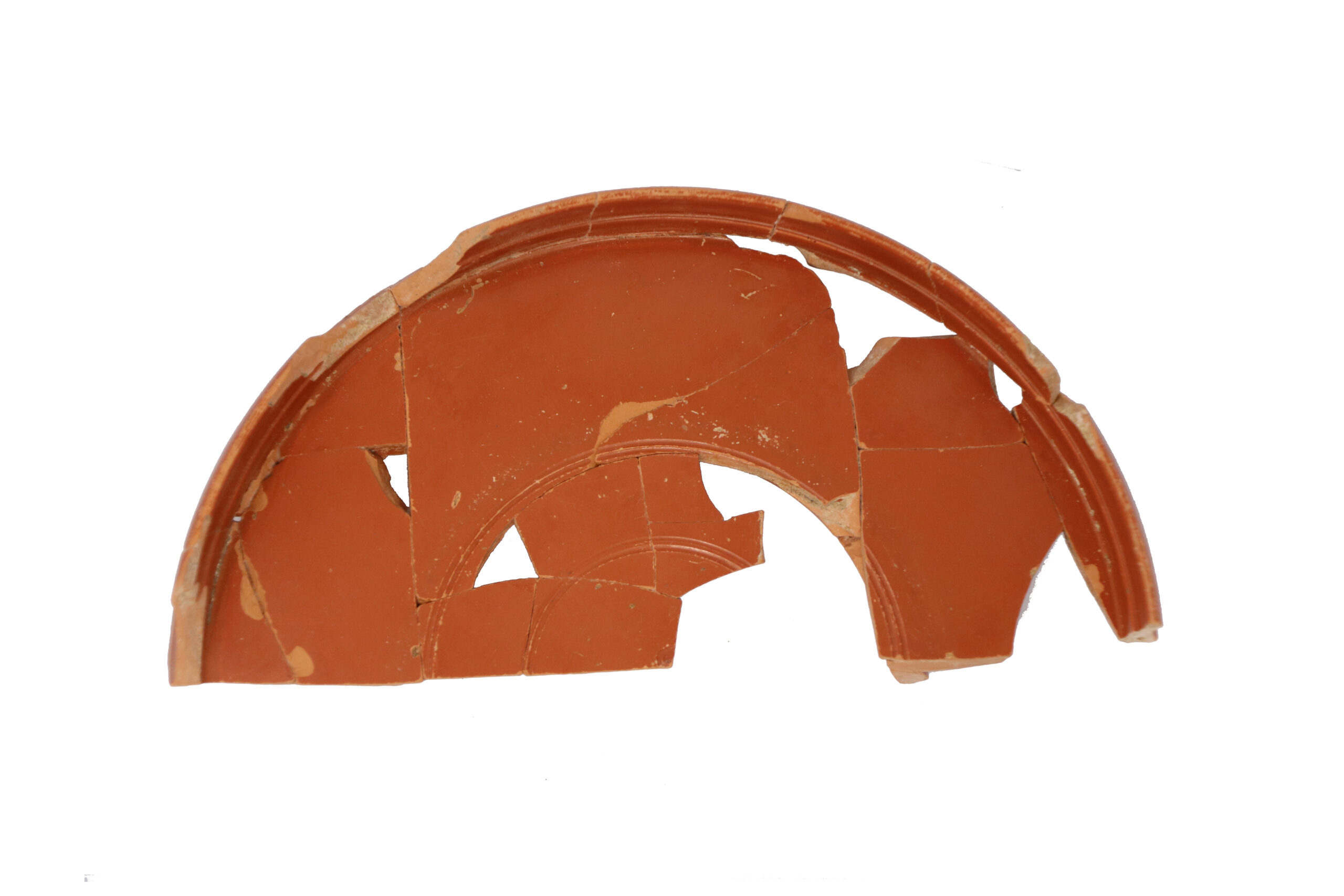
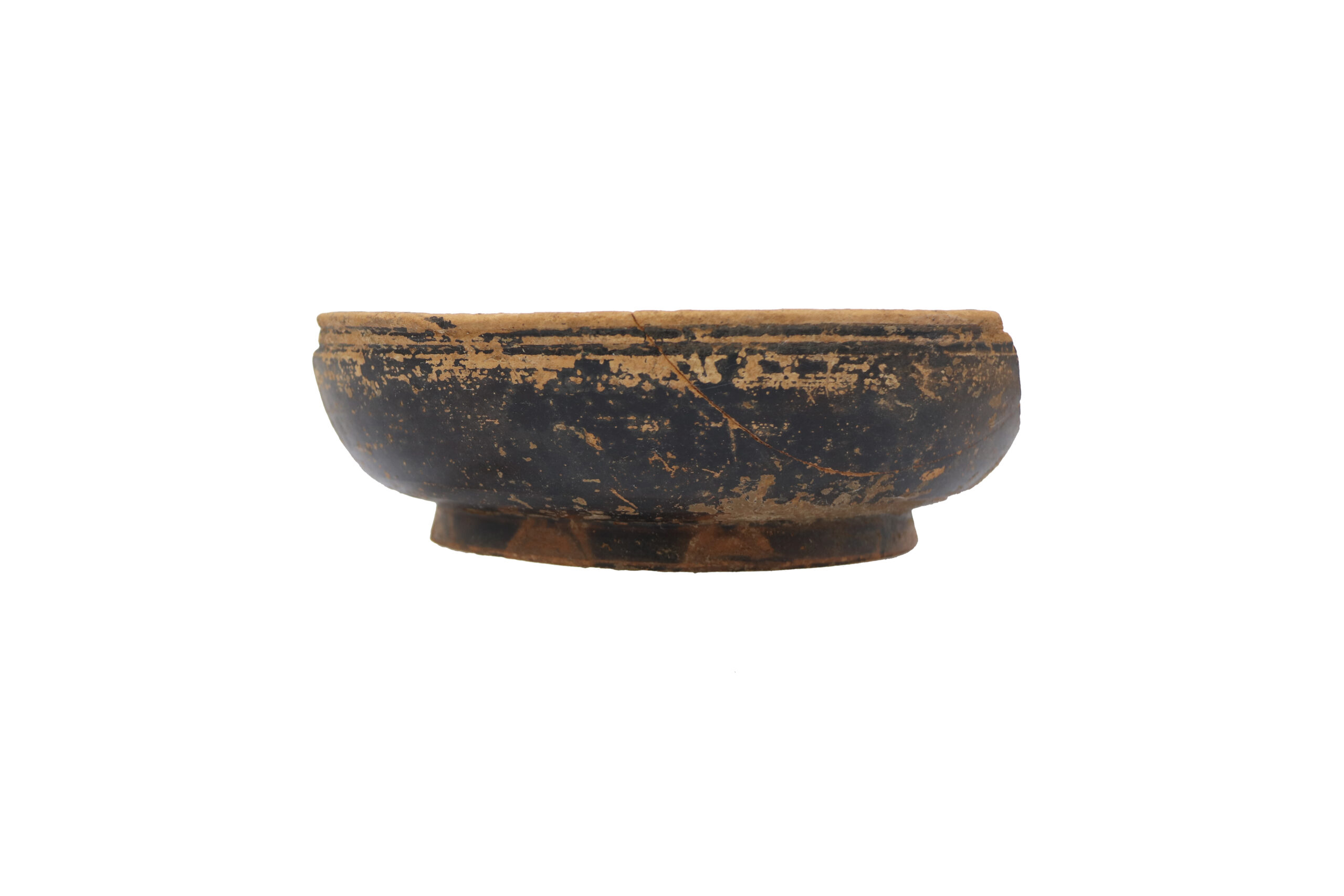
The artefacts recovered during excavations—pottery, everyday objects, and architectural fragments—offer a vivid glimpse into Roman life on the promontory. They document not only the development of the settlement, but also the economic and cultural connections linking Capo Colonna to the Roman Mediterranean, attesting to the continuity of a sacred place that, while changing in appearance, maintained a central role in the history of Calabria over time.
read less <