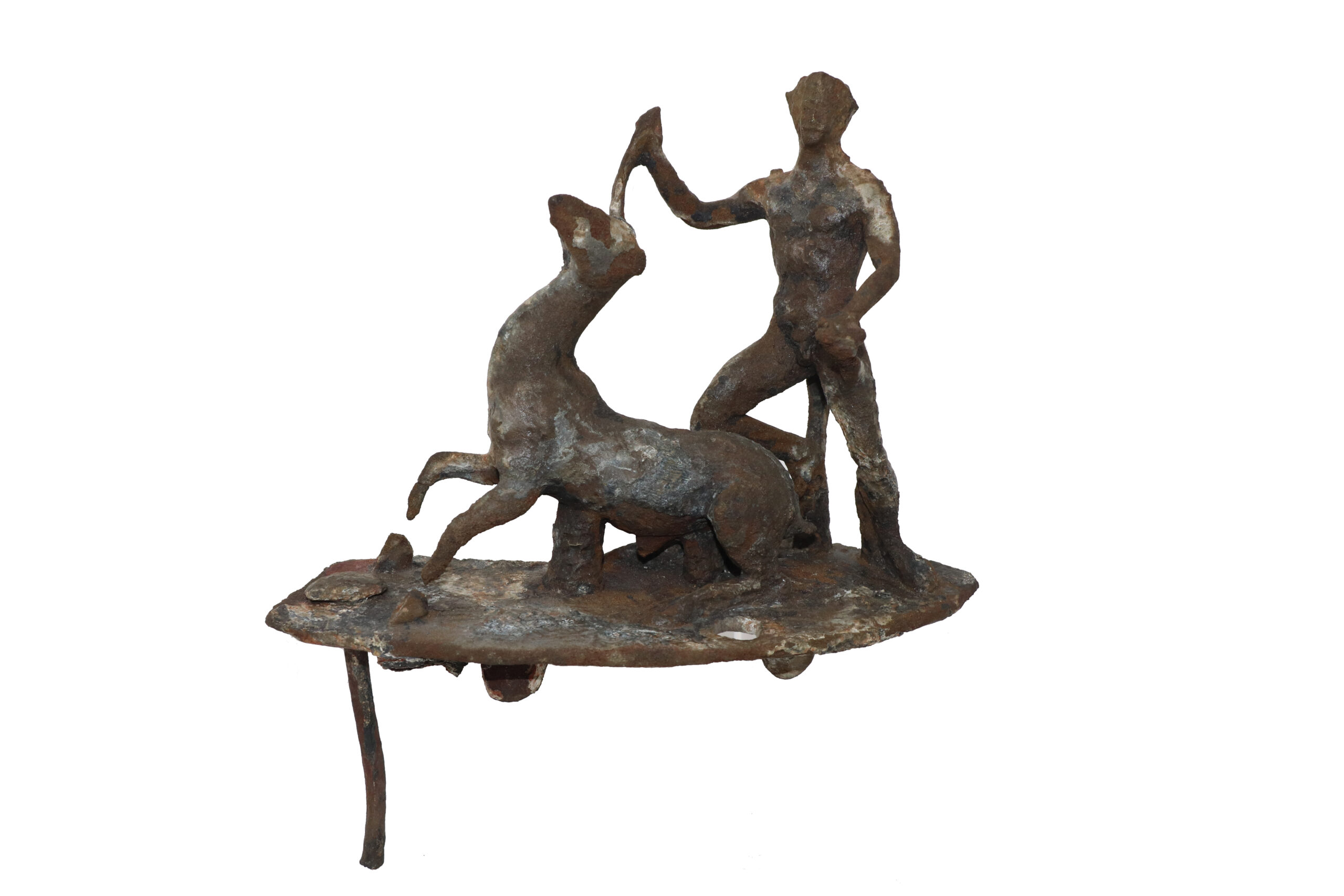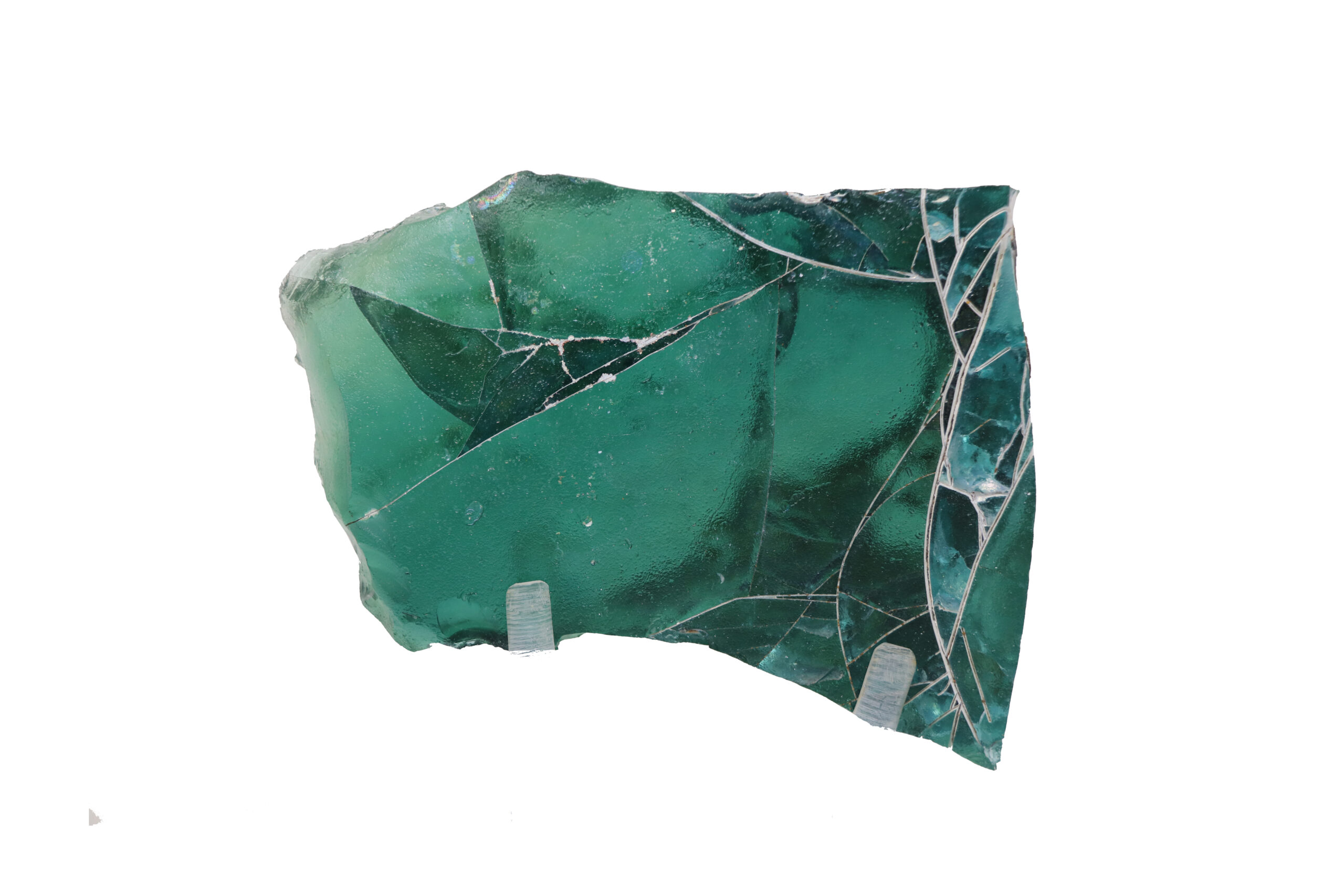
On the seabed of the waters surrounding the promontory of Capo Colonna lie shipwrecks and artefacts that tell centuries of history, trade, navigation, and cultural and religious interactions.
Among the most significant materials are amphorae, the large terracotta containers used to transport wine and oil, goods that were fundamental to the economy and culture of antiquity. Wine, in particular, held not only commercial value but also social and religious significance. The shipwrecks identified along the coast of Crotone, from the Greek to the Roman period, document the trade in wine carried in Corinthian, Italic, and Eastern amphorae, as well as the spread of the practices of the symposion, the aristocratic banquet associated with the cult of Dionysus. With the arrival of the Romans, the production
... read more >On the seabed of the waters surrounding the promontory of Capo Colonna lie shipwrecks and artefacts that tell centuries of history, trade, navigation, and cultural and religious interactions.
Among the most significant materials are amphorae, the large terracotta containers used to transport wine and oil, goods that were fundamental to the economy and culture of antiquity. Wine, in particular, held not only commercial value but also social and religious significance. The shipwrecks identified along the coast of Crotone, from the Greek to the Roman period, document the trade in wine carried in Corinthian, Italic, and Eastern amphorae, as well as the spread of the practices of the symposion, the aristocratic banquet associated with the cult of Dionysus. With the arrival of the Romans, the production and transport of wine intensified, eventually including local Calabrian products exported throughout the Mediterranean.
Equally important are anchors, symbols of navigation and safety at sea. From the simple perforated stones of the Archaic period, anchor technology evolved into increasingly sophisticated models with lead stocks, often decorated with auspicious symbols.
A particularly fascinating chapter is that of shipwrecks carrying marble cargoes, testimony to the intense trade that crossed the Mediterranean between the 2nd and 3rd centuries AD. From the seabed off Crotone emerge blocks, columns, and sarcophagi originating from the quarries of Phrygia and other regions renowned for the quality of their stone. The transport of marble required sturdy vessels, carefully organized cargoes, and a logistical network that extended from the imperial quarries to the building sites of Roman cities. Inscriptions on some columns recovered from these wrecks even provide details about the quarry of origin, the workshop where the stone was worked, and the imperial officials responsible.
Underwater archaeology today makes it possible to reconstruct this submerged world, offering a privileged window onto the economic, religious, and everyday life of the past. Discoveries along the coast of the Marchesato tell stories of trade, shipwrecks, naval technologies, and connections between peoples, restoring to the sea its role as a great protagonist of ancient history.
read less <