Kiln Wasters
Where
Museo Archeologico Nazionale della Sibaritide
Località Casabianca – Frazione Sibari
87011 – Cassano All’Ionio (CS)
Description
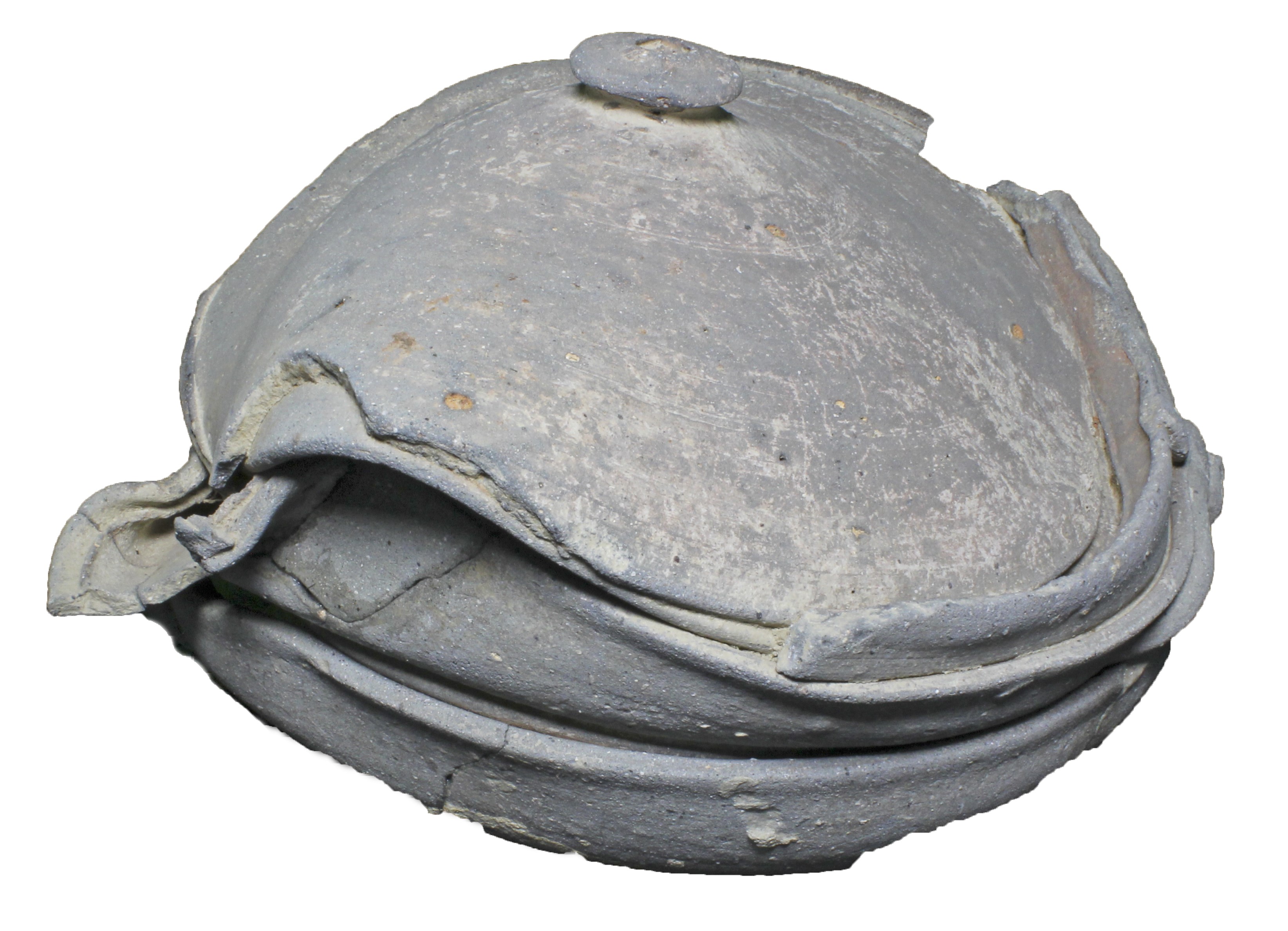
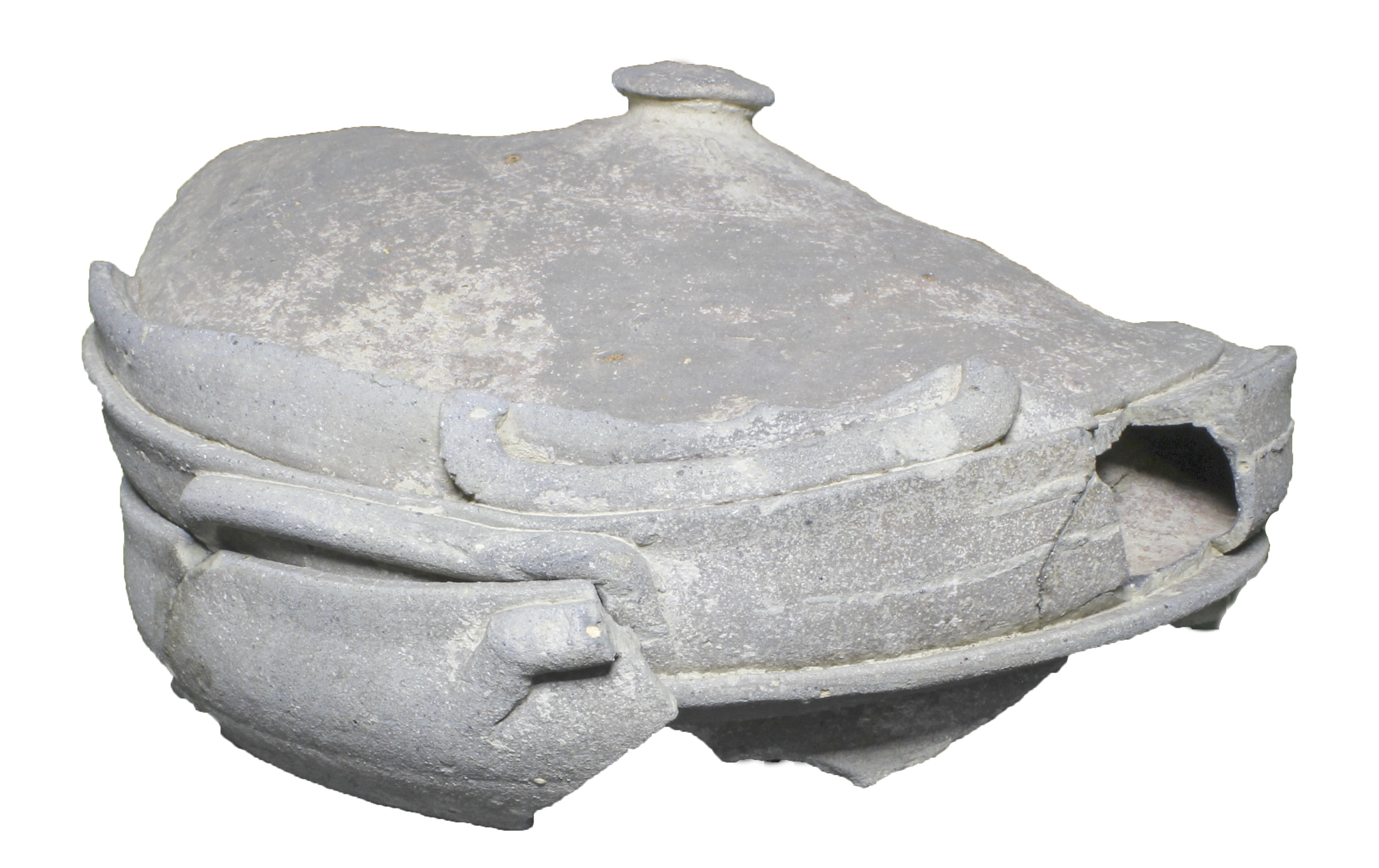
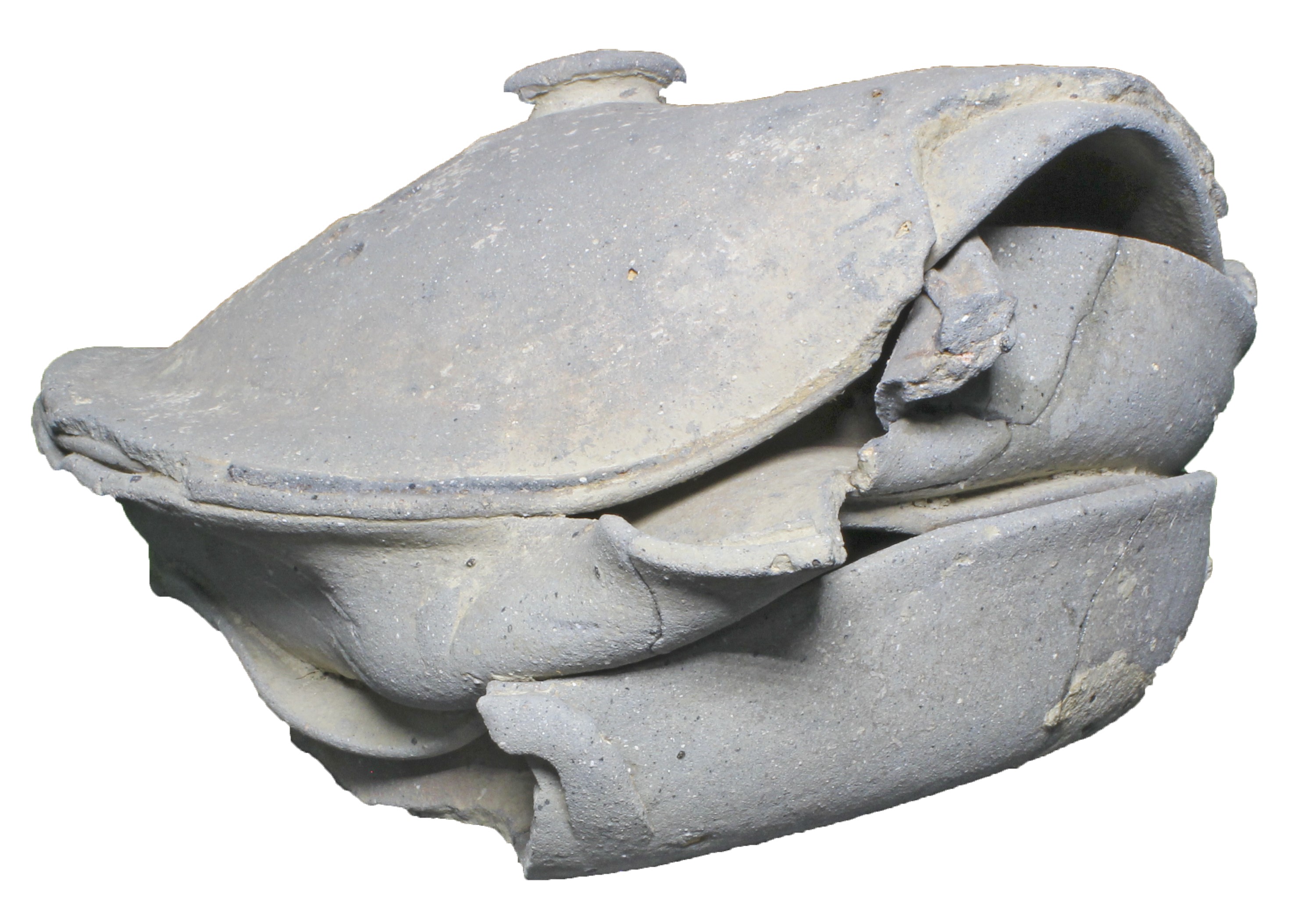
The vessel was deformed during the firing process in the kiln and is characterized by a very light coloration, resulting from the incomplete completion of the production process. Despite the evident irregularities
... read more >The vessel was deformed during the firing process in the kiln and is characterized by a very light coloration, resulting from the incomplete completion of the production process. Despite the evident irregularities in shape, it is still possible to recognize a cooking pot (lopas) provided with a lid.
Lopades (singular lopas) were vessels used for cooking food, characterized by a low and wide shape, two horizontal handles, and a lid, which helped retain heat during cooking. Some examples found in the settlement of Castiglione di Paludi display a particularly significant feature: they were deformed as a result of a failed firing inside the kiln. These objects are therefore production waste—items that were never put to use but which provide valuable information about the techniques and challenges of production in an ancient ceramic workshop.
The kiln from which these artifacts come was excavated in 1993 and is located in the artisan quarter of the fortified settlement of Castiglione di Paludi, situated a short distance from Sibari–Thurii–Copiae. The site was inhabited between the 4th and 3rd centuries BC, a period during which it presumably played an important role in the economic and productive landscape of the region, as demonstrated by the presence of a well-defined artisan district.
read less <INSIGHTS >
Explore the areas of Crotone and Sibari
History awaits you inside the Archaeological Sites of Crotone and Sibari. Start your visit.
planDiscover current events
Concerts, tastings and dedicated exhibitions to relive the history of Magna Graecia.
discover more
Experience the Parks and Museums
History awaits you inside the Archaeological Sites of Crotone and Sibari. Start your visit.
plan

Whether you are with family, at school or experience the world in a unique way, here you will find paths designed for you.